Long Island Rare Coins and the Growing Interest in Precious Currency Collecting
Exploring the Value and Appeal of Rare Coin Collections
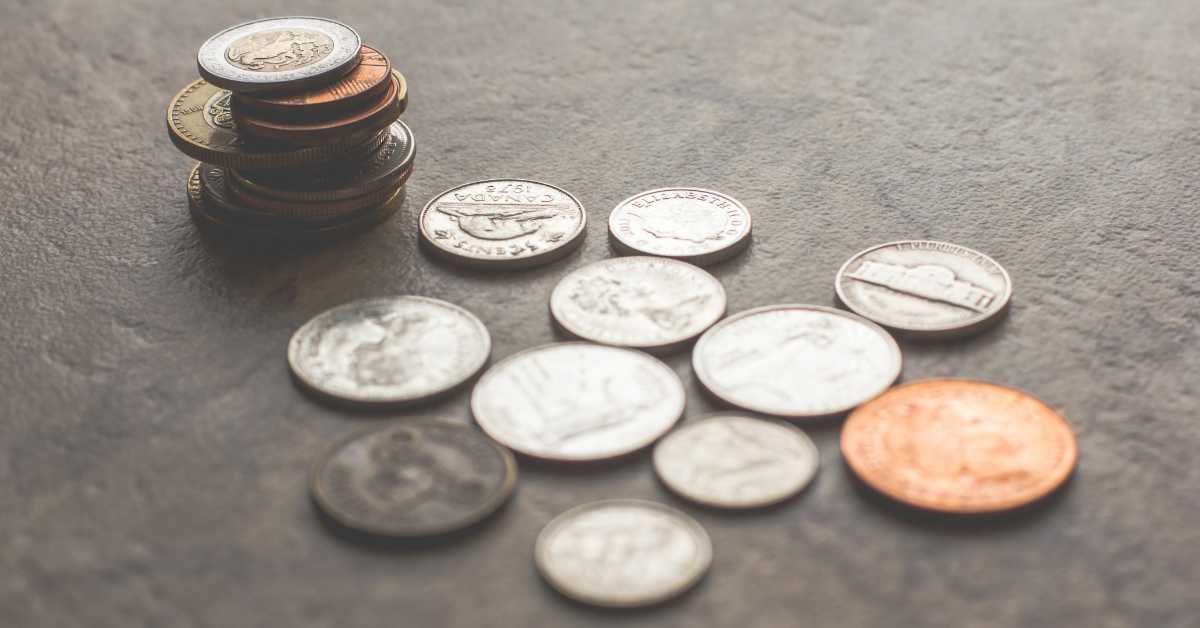
Rare coin collecting has developed into one of the most respected hobbies and alternative investment sectors in the modern world. Enthusiasts from different backgrounds are increasingly discovering the historical significance, artistic craftsmanship, and financial opportunities associated with collectible coins. Every rare coin carries a unique story connected to the economic, political, and cultural conditions of its time. This combination of history and value makes numismatics highly attractive for both experienced collectors and curious beginners.
Many investors and collectors searching for trustworthy guidance often explore long island rare coins because established dealers provide valuable expertise regarding authenticity, grading, and market demand. Professional support is especially important in a market where condition, rarity, and historical importance can dramatically influence a coin’s worth. Understanding these factors allows collectors to build stronger collections while avoiding common purchasing mistakes and counterfeit products.
The Historical Importance of Rare Coins
Coins have served as symbols of civilization, trade, and political power for thousands of years. Ancient rulers frequently used coins to communicate authority, celebrate victories, and promote religious beliefs throughout their territories. Modern historians rely heavily on preserved coins because they provide reliable physical evidence about past societies and economic systems. Unlike fragile documents or monuments, coins often survive for centuries in remarkable condition.
Collectors appreciate this historical connection because each coin represents a tangible piece of human history. A rare coin from a distant empire can reveal information about ancient trade routes, artistic trends, and technological advancements in metalworking. Museums and educational institutions frequently preserve numismatic collections to support academic research and public historical awareness. This lasting educational value contributes significantly to the popularity of rare coin collecting across generations.
Why Rare Coin Collecting Continues to Expand
The rare coin market continues growing because collectors value both intellectual satisfaction and potential financial appreciation. Unlike many modern hobbies, coin collecting combines education, research, patience, and strategic decision-making. Individuals often begin collecting through inherited coins, travel souvenirs, or curiosity about historical currency before gradually developing more specialized interests within numismatics.
Digital technology has also transformed the industry by improving access to information, auctions, and educational resources. Online marketplaces and collector forums now connect enthusiasts globally, allowing easier research and broader investment opportunities. According to the Professional Numismatists Guild, collector interest remains strong due to increasing awareness about precious metals and historical preservation. This accessibility has introduced younger generations to numismatics while supporting continued growth within the international rare coin community.
Understanding What Makes Coins Valuable
Several important factors determine the value of collectible coins within the numismatic market. Rarity remains one of the most influential considerations because coins with limited surviving examples naturally attract stronger demand. Historical significance also plays a major role, especially when coins are connected to important events, rulers, or economic periods. Collectors frequently pay premium prices for pieces with unique historical backgrounds.
Condition is equally critical because preservation quality directly affects both visual appeal and market value. Coins showing minimal wear and strong original detail are typically far more valuable than heavily circulated examples. Additional factors such as mint errors, metal composition, and collector demand further influence pricing. Successful collectors carefully evaluate all these elements before purchasing or selling rare pieces within competitive numismatic markets.
The Importance of Coin Grading
Professional grading provides a standardized method for evaluating coin condition and authenticity. Independent grading companies examine factors such as luster, strike quality, surface preservation, and visible imperfections before assigning numerical grades. This process helps create transparency and consistency within the marketplace while protecting collectors from inaccurate valuations or fraudulent representations.
Higher-grade coins generally command stronger prices because collectors value exceptional preservation and visual quality. Even small grading differences can significantly impact market value for rare or historically important pieces. Learning grading terminology and understanding common preservation issues helps collectors make informed purchasing decisions. Many beginners improve their grading knowledge through educational guides, exhibitions, and direct interaction with experienced numismatic professionals.
How Rarity Influences Demand
Rarity develops through several circumstances including limited mintages, historical destruction, and low survival rates over time. Coins produced in small quantities often become highly desirable because collectors compete for scarce examples. Historical events such as wars, economic crises, and government recalls have also contributed to the disappearance of many rare coins throughout history.
Demand can increase further when collectors pursue complete series or historically significant issues. Some coins achieve legendary status due to their rarity and famous auction appearances. Market competition for these exceptional pieces frequently drives prices substantially higher. Understanding rarity patterns allows collectors and investors to identify opportunities with strong long-term appreciation potential within the numismatic marketplace.
Popular Categories Within Rare Coin Collecting
Rare coin collecting includes numerous specialized categories that appeal to different interests and financial goals. Ancient coins remain extremely popular because they connect collectors directly to civilizations such as Rome, Greece, and Byzantium. These coins often feature remarkable artistic designs and historical symbolism that continue fascinating historians and collectors alike.
Modern commemorative coins attract collectors interested in national celebrations, anniversaries, and limited-edition releases. Precious metal bullion coins appeal strongly to investors seeking exposure to gold and silver markets while maintaining collectible value. Error coins featuring unusual minting defects also represent an exciting category because their accidental uniqueness creates strong demand among specialized collectors.
Ancient Coins and Historical Artifacts
Ancient coins provide extraordinary insights into political systems, military conquests, and cultural beliefs from early civilizations. Many feature portraits of emperors, mythological imagery, and inscriptions that reveal valuable historical information. Collectors appreciate the remarkable survival of these coins despite centuries of warfare, trade, and environmental exposure.
Authenticating ancient coins requires extensive expertise because age and rarity increase the risk of counterfeiting. Professional dealers and historians often collaborate to verify legitimacy and historical accuracy before major sales occur. Educational research surrounding ancient currency continues expanding, helping preserve important knowledge about some of humanity’s earliest economic systems and artistic achievements.
Precious Metal Coins and Bullion
Gold and silver coins remain highly desirable because they combine collectible appeal with intrinsic material value. Investors often purchase bullion coins during periods of economic uncertainty as protection against inflation and currency instability. Governments worldwide continue producing official bullion series that attract both collectors and financial investors seeking long-term diversification.
Rare precious metal coins can achieve significant value beyond their metal content due to historical importance, rarity, and collector demand. Many investors appreciate this dual-value structure because it offers potential financial stability alongside numismatic appreciation. Proper authentication and grading are essential when purchasing high-value precious metal coins to ensure legitimacy and accurate market pricing.
The Role of Professional Coin Dealers
Professional coin dealers serve as essential guides within the numismatic industry by helping collectors navigate authenticity, valuation, and market trends. Reputable dealers possess specialized knowledge about grading standards, historical significance, and current collector demand. Their expertise protects buyers from counterfeit coins and overpriced purchases that could negatively affect long-term investment performance.
Experienced dealers often attend auctions, trade shows, and estate sales to acquire rare inventory for collectors and investors. They maintain relationships with grading services, historians, and other industry professionals to ensure accurate evaluations and trustworthy transactions. Building strong relationships with reputable dealers helps collectors gain access to educational resources and valuable opportunities within competitive numismatic markets.
Building a Successful Rare Coin Collection
Creating a successful coin collection requires careful planning, patience, and continuous learning. Many collectors begin by focusing on specific themes, countries, historical periods, or metal types that align with their interests and budget. Defined goals help collectors avoid impulsive purchases while encouraging more strategic collection development over time.
Documentation also plays an important role because detailed records help track purchase history, grading information, and estimated market value. Many experienced collectors maintain digital inventories and secure storage systems to protect their investments. Attending coin exhibitions, reading educational publications, and participating in collector organizations further enhance numismatic knowledge while expanding networking opportunities within the collecting community.
Budgeting and Long-Term Strategy
Successful collectors understand the importance of financial discipline and long-term planning. Rare coin markets can fluctuate depending on economic conditions, precious metal prices, and collector demand. Establishing a realistic budget allows enthusiasts to pursue meaningful acquisitions without unnecessary financial pressure or emotional decision-making.
Long-term strategies often involve gradual upgrades in quality and rarity as collectors gain experience and market knowledge. Some individuals focus on investment growth, while others prioritize historical significance or personal enjoyment. Balanced decision-making helps collectors build collections that remain rewarding both intellectually and financially over extended periods.
Protecting and Preserving Valuable Coins
Proper storage and preservation techniques are essential for maintaining coin condition and long-term value. Collectors should avoid direct handling whenever possible because skin oils and contaminants can damage delicate surfaces. Soft gloves, protective holders, and archival-quality storage materials help minimize scratches, corrosion, and environmental deterioration.
Climate control also contributes significantly to preservation success because excessive humidity and temperature fluctuations may accelerate metal damage. Many serious collectors use airtight containers and secure storage systems to protect valuable inventory from theft or accidental harm. Consistent preservation practices ensure that rare coins maintain both their visual appeal and market desirability for future generations.
The Educational Benefits of Numismatics
Coin collecting offers substantial educational value by encouraging research into history, economics, geography, and art. Collectors often develop deeper understanding of historical events while studying the origins and symbolism of specific coins. This educational aspect makes numismatics especially valuable for students, historians, and lifelong learners interested in cultural preservation.
Museums and universities frequently incorporate numismatic collections into academic programs and historical exhibitions. These resources help audiences better understand ancient civilizations, trade systems, and political development throughout world history. Collectors themselves contribute significantly to historical preservation by maintaining and documenting rare coins that might otherwise disappear from public awareness over time.
The Future of Rare Coin Collecting
The future of rare coin collecting appears increasingly promising as technology continues improving access to educational resources and global marketplaces. Online auctions, virtual exhibitions, and digital authentication tools have expanded participation within the numismatic community. Younger collectors are entering the market through social media content, investment discussions, and growing interest in alternative tangible assets.
Despite the rise of digital currencies and electronic transactions, physical rare coins continue holding unique emotional and historical significance. Collectors value the direct connection coins provide to important moments in human civilization. As interest in historical preservation and diversified investments continues expanding, rare coin collecting will likely remain an influential and respected field for generations to come.