best knife for cutting sushi rolls
Choosing the Best Knife for Cutting Sushi Rolls Like a Pro
Creating perfect sushi rolls requires precision, balance, and the right tools. Among all kitchen tools, the best knife for cutting sushi rolls plays the most critical role in achieving clean, professional slices without crushing delicate ingredients. Whether you’re a home cook or an aspiring sushi chef, understanding what makes a knife suitable for sushi cutting can dramatically improve your results.
Sushi is known for its aesthetic appeal, and poorly cut rolls can ruin both presentation and texture. A high-quality knife ensures that each slice holds its shape, keeps the rice intact, and maintains the integrity of fillings like fish, vegetables, and seaweed. This guide dives deep into everything you need to know to choose the ideal knife for cutting sushi rolls.
Why the Right Knife Matters for Sushi Rolls
Sushi rolls are delicate. The combination of sticky rice, soft fish, and crisp vegetables makes them prone to tearing when cut improperly. Using a dull or inappropriate knife often results in uneven slices and squished rolls.
A specialized sushi knife allows you to:
- Cut smoothly without applying excessive pressure
- Maintain the shape of each roll
- Prevent ingredients from sticking to the blade
- Achieve uniform slices for better presentation
Professional sushi chefs invest years mastering knife techniques, but having the right knife is the first step toward achieving similar results at home.
What Defines the Best Knife for Cutting Sushi Rolls
Not all kitchen knives are suitable for sushi. A knife designed specifically for slicing delicate foods is essential.
Blade Length and Shape
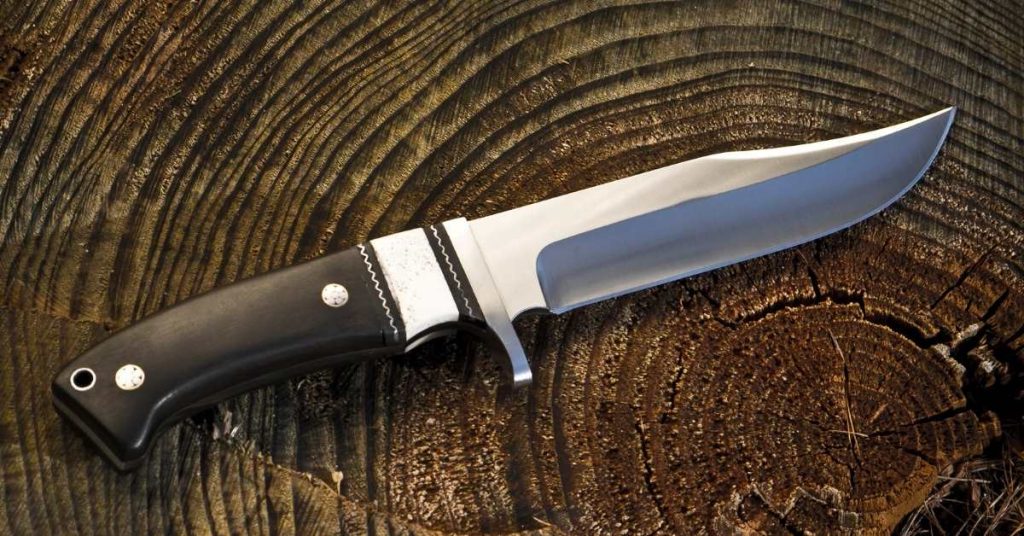
A longer blade allows you to slice through a sushi roll in a single motion. This reduces tearing and keeps the roll intact. Ideally, a blade length of 8 to 12 inches works best.
The blade should also be thin and slightly curved or straight, allowing for smooth, controlled slicing.
Sharpness
Sharpness is non-negotiable. A razor-sharp edge ensures clean cuts without crushing the rice or fillings. Sushi knives are often sharpened to a finer angle than standard kitchen knives, which enhances precision.
Single Bevel vs Double Bevel
Traditional Japanese sushi knives often feature a single bevel edge. This design allows for extremely precise cuts but requires more skill to use.
Double bevel knives are more common in Western kitchens and are easier for beginners. They offer versatility while still providing excellent cutting performance.
Blade Material
High-carbon steel is commonly used in premium sushi knives due to its ability to hold a sharp edge. Stainless steel options are also popular for their durability and resistance to rust.
Yanagiba Knife: The Gold Standard for Sushi Cutting
When discussing the best knife for cutting sushi rolls, the Yanagiba knife stands out as the top choice among professionals.
The Yanagiba is a traditional Japanese slicing knife designed specifically for cutting raw fish and sushi. Its long, narrow blade allows for a single, smooth slicing motion that preserves the texture of the ingredients.
Key advantages of the Yanagiba knife include:
- Exceptional sharpness for precision cutting
- Long blade for slicing in one stroke
- Minimal resistance when cutting through rice and fish
- Elegant design ideal for professional presentation
If you’re serious about sushi preparation, exploring the best knife for cutting sushi rolls can help you find top-rated Yanagiba options suited for your needs.
Alternative Knives for Cutting Sushi Rolls
While the Yanagiba is the preferred choice, there are other knives that can perform well for sushi cutting, especially for beginners.
Sujihiki Knife
The Sujihiki is a Western-style slicing knife that closely resembles the Yanagiba but features a double bevel edge. It is easier to handle and works well for slicing sushi rolls and other proteins.
Chef’s Knife
A standard chef’s knife can be used in a pinch, but it lacks the precision of specialized sushi knives. It may require more effort and skill to achieve clean cuts.
Santoku Knife
The Santoku knife is a versatile option with a shorter blade. While it can cut sushi rolls, it may not provide the same smooth slicing experience as longer knives.
How to Use a Sushi Knife Correctly
Even the best knife won’t deliver perfect results without proper technique. Cutting sushi rolls requires a gentle and controlled approach.
Use a Single Slicing Motion
Avoid sawing back and forth. Instead, use one smooth, continuous motion from heel to tip. This minimizes damage to the roll.
Keep the Blade Clean and Wet
Sticky rice can cling to the blade, causing uneven cuts. Wiping the blade with a damp cloth between slices helps maintain clean cuts.
Apply Minimal Pressure
Let the sharpness of the knife do the work. Pressing too hard can crush the roll and distort its shape.
Cut Even Portions
Measure your cuts visually or mark the roll lightly before slicing to ensure consistent piece sizes.
Maintenance Tips for Sushi Knives
A high-quality sushi knife requires proper care to maintain its performance and longevity.
Regular Sharpening
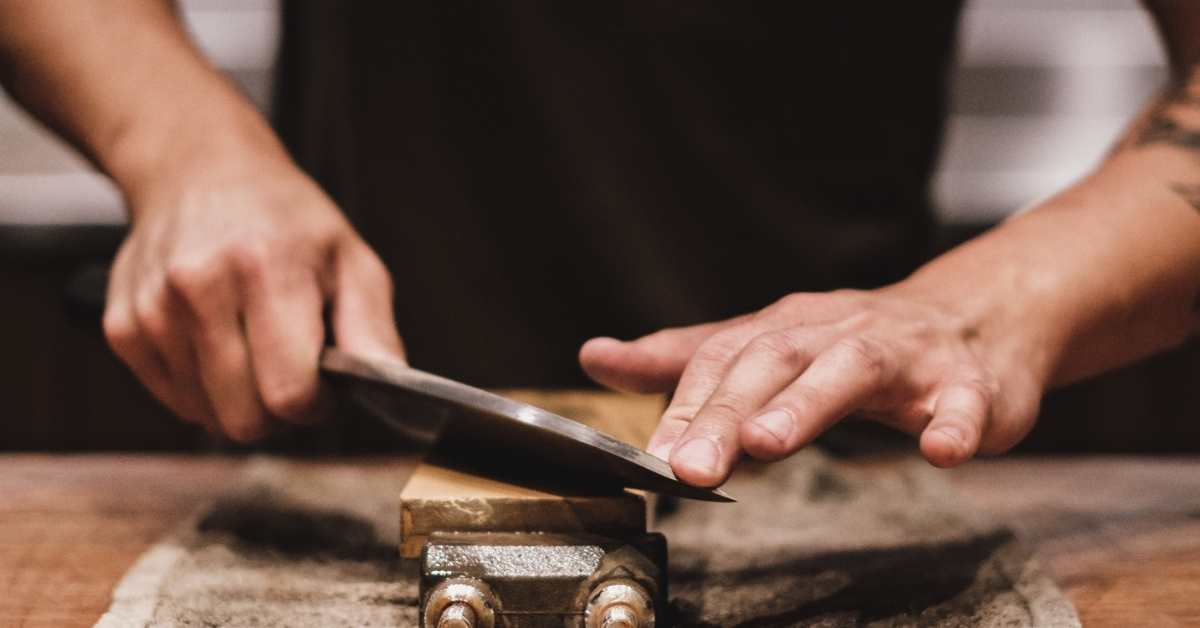
Keep the blade sharp using a whetstone. Honing rods are not ideal for Japanese knives, as they require precise sharpening angles.
Proper Cleaning
Always hand wash your knife with mild soap and water. Avoid dishwashers, as they can damage the blade.
Safe Storage
Store your knife in a protective sheath or knife block to prevent damage and maintain sharpness.
Dry Immediately
Moisture can lead to rust, especially in high-carbon steel blades. Always dry your knife thoroughly after washing.
Common Mistakes to Avoid When Cutting Sushi Rolls
Many beginners struggle with sushi cutting due to simple but avoidable mistakes.
Using a Dull Knife
A dull blade tears the roll instead of slicing it cleanly. Regular sharpening is essential.
Cutting Too Fast
Rushing the process often leads to uneven slices. Take your time to ensure precision.
Ignoring Blade Maintenance
Neglecting cleaning and sharpening reduces the knife’s effectiveness over time.
Using the Wrong Knife
Not all knives are suitable for sushi. Investing in a proper slicing knife makes a significant difference.
Features Comparison Table for Sushi Knives
| Feature | Yanagiba Knife | Sujihiki Knife | Chef’s Knife | Santoku Knife |
|---|---|---|---|---|
| Blade Length | Long | Long | Medium | Short |
| Bevel Type | Single | Double | Double | Double |
| Precision | High | High | Medium | Medium |
| Ease of Use | Moderate | Easy | Easy | Easy |
| Best For Sushi Rolls | Excellent | Very Good | Fair | Good |
Choosing the Right Knife Based on Your Skill Level
Selecting the best knife depends on your experience and comfort level.
Beginners
A Sujihiki or high-quality chef’s knife is ideal. These knives are easier to control and require less maintenance.
Intermediate Users
At this stage, you can explore specialized knives like the Yanagiba while refining your slicing technique.
Advanced Users
Professional chefs often prefer traditional Yanagiba knives for their unmatched precision and control.
If you’re looking to upgrade your kitchen tools, reviewing the best knife for cutting sushi rolls will guide you toward premium options tailored for sushi preparation.
Additional Factors to Consider Before Buying
Beyond the blade type, there are other factors that influence your choice.
Handle Comfort
A comfortable handle ensures better control and reduces fatigue during extended use.
Weight and Balance
A well-balanced knife improves precision and makes slicing smoother.
Budget
High-end sushi knives can be expensive, but there are quality options available at various price points.
Brand Reputation
Reputable brands often provide better craftsmanship and durability.
Final Thoughts on Selecting the Best Knife for Cutting Sushi Rolls
Mastering sushi cutting begins with choosing the right knife. The best knife for cutting sushi rolls combines sharpness, length, and precision to deliver clean, professional slices every time. While the Yanagiba remains the top choice, alternative knives can also perform well depending on your skill level and preferences.
By understanding the features, techniques, and maintenance required, you can elevate your sushi-making skills and create visually stunning, restaurant-quality rolls at home.